

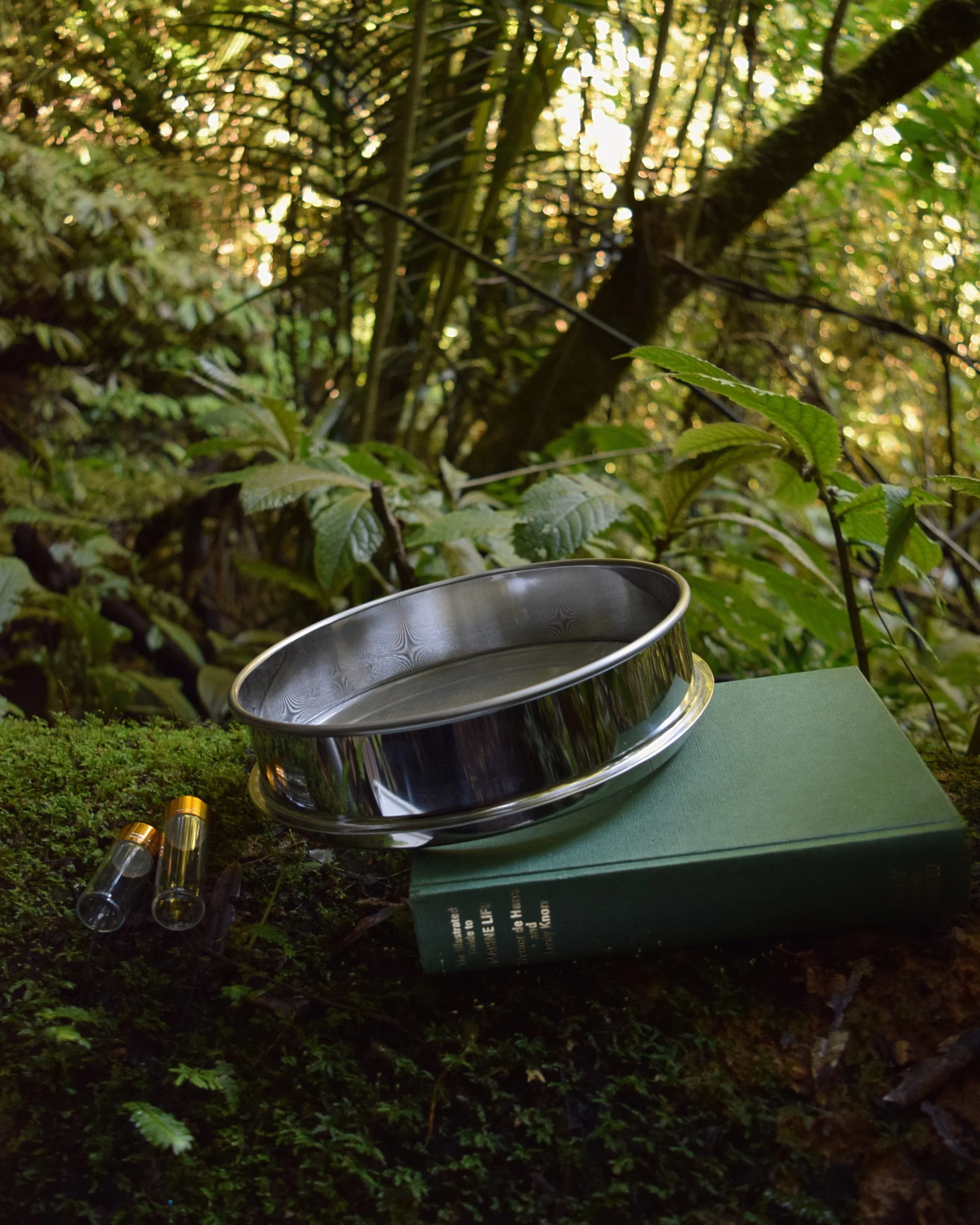
Freshwater Macroinvertebrate
Analysis
We offer field sampling where our team collects your samples on site using NEMS 2022 protocols, with all analysis completed in our laboratory. By choosing us for both sampling and analysis, you receive a 10% discount on laboratory fees.
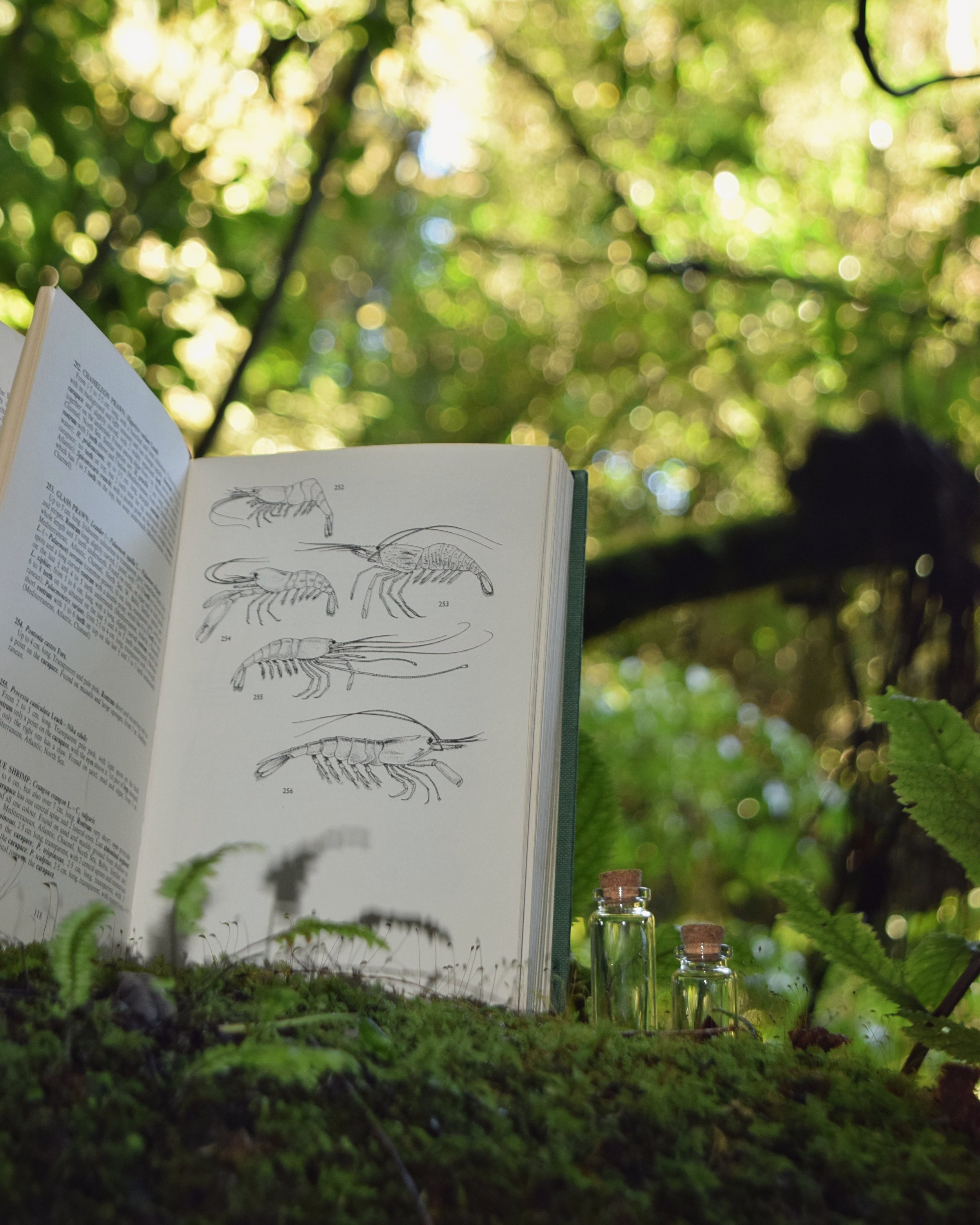
Freshwater Macroinvertebrate
Sampling
We provide three levels of macroinvertebrate analysis: An SEV Taxa List, the 200+ Fixed Count (Modified P2), and Full Count with Subsampling Option (Modified P3). Each method is carried out in accordance with NEMS 2022 protocols and delivers recognised national indices such as MCI, QMCI, ASPM and more, giving you a reliable measure of stream health.
Macroinvertebrate Photo
Summary
Enhance your results with high-quality images of the freshwater macroinvertebrates in your sample. You can select which species to highlight, and we’ll provide detailed photographs that capture their unique features. These images are ideal for reports, education, or sharing the hidden life of your stream.
Learn more about which service is best for your needs:


SEV Taxa List
(Presence/Absence Data)
Records which taxa are present, giving a quick sense of biodiversity without counting every individual. All macroinvertebrates are identified to the same scientific standards as our other methods - the difference is that we don’t count individual abundances or calculate national indices. These results are also perfectly designed to be used for Stream Ecological Valuations (SEVs).
-
A detailed list of the taxa found in your waterway, identified to the lowest practicable taxonomic level as required by NEMS.
Your preserved samples returned in labelled vials (if requested).
-
This option provides a presence–absence taxa list. It’s suitable for SEV-style assessments, baseline screening, and general ecological characterisation, but does not produce quantitative indices used for formal monitoring or consent compliance.
-
Yes. We follow the nationally recognised NEMS protocols in all protocols to ensure your results are as scientifically sound as possible.
-
It’s useful for understanding what macroinvertebrates are present at a site. This makes it suitable for SEV-style assessments, education, baseline checks, or general interest, where detailed ecological indices aren’t needed.
-
Yes, you can add photographs of selected macroinvertebrates from your sample to visually highlight what was found.
-
Yes. On our submission form you can select if you’d like your preserved specimens returned after processing, or only the original containers. We make this optional, so if you don’t need them back, you can simply opt out.
-
Yes. If you’d like your preserved vial of bugs returned, we’ll add the cost of packaging and postage to your final invoice.
-
When fewer than two taxa are present in a sample, we apply a reduced fee. We believe you should only be charged for the work required, ensuring fair value while still receiving accurate, professional results.

200+ Fixed Count With Scan for Missed Taxa
(Modified P2 – Standard Method)
The most widely used approach in New Zealand science, balancing efficiency with accuracy and providing reliable indices such as MCI and QMCI.
-
Comprehensive data containing a taxa list using the 200+ Fixed Count (Modified P2) analysis, index calculations (such as MCI and ASPM), sample/site metadata, and more.
A quality code (QC) summary.
An information guide to explain your results.
Your preserved samples returned in labelled vials (if requested).
-
The 200+ Fixed Count balances accuracy and efficiency, delivering robust MCI and QMCI indices and indicative ASPM scores at a lower cost. A Full Count Analysis identifies every specimen in the sample, ensuring fully reliable ASPM scores and the most comprehensive dataset. 200+ Fixed Counts are ideal for compliance and routine monitoring, while Full Counts are preferred for research, reference collections, or projects requiring maximum precision.
-
Yes, the 200+ Fixed Count (Modified P2) fully complies with the NEMS 2022 standard and is recognized as suitable for State of the Environment (SOE) reporting, Assessments of Environmental Effects (AEEs), and consent monitoring throughout New Zealand.
-
Yes. For each taxon identified, you can choose to receive detailed photographs (2–3 images per taxon) as an optional add-on. These are useful for education, reporting, and communicating results visually.
-
Select Priority Service on your submission form. For an additional fee per sample, priority analyses are processed approximately 70% faster than standard turnaround, ensuring prompt results when deadlines are tight.
-
Yes. On our submission form you can select if you’d like your preserved specimens returned after processing, or only the original containers. We make this optional, so if you don’t need them back, you can simply opt out.
-
Yes, you are responsible for covering the cost of return shipping for your samples.
-
If your sample contains fewer than two taxa, our Low Taxa Fee Reduction ensures fair pricing, so you only pay for the data provided without incurring costs for limited results.



Full Count with Subsampling Option (Most Detailed Analysis)
The Full Count (Modified P3) analyzes every individual in the sample, providing the most comprehensive dataset for stream biodiversity. This method is ideal for research, conservation projects, or reserve reporting where the highest level of detail is required.
-
Detailed data containing a complete taxa list using the Full Count (Modified P3) analysis, index calculations (such as MCI and ASPM), sample/site metadata, and more.
A quality code (QC) summary.
An information guide to explain your results.
Your preserved samples returned in labelled vials (if requested).
-
The Full Count (Modified P3) analyzes every specimen in the sample, delivering detailed data with a complete taxa list, fully reliable ASPM scores, MCI and QMCI indices, and sample/site metadata. It’s ideal for research, conservation projects, or reserve reporting requiring the highest level of detail.
In contrast, the 200+ Fixed Count (Modified P2) processes a subsample of 200+ individuals, providing robust MCI and QMCI indices and indicative ASPM scores at a lower cost and faster turnaround, making it suitable for compliance and routine monitoring.
Both methods comply with NEMS 2022 standards for State of the Environment (SOE) reporting, Assessments of Environmental Effects (AEEs), and consent monitoring.
-
Per NEMS 2022 guidelines, quarterly sampling (four times per year) is recommended to capture seasonal changes and monitor biodiversity trends effectively. This frequency suits research and conservation projects using our Full Count (Modified P3) analysis for detailed stream health data.
-
Yes. You can select this option when submitting your samples, or let us know before we begin processing. We’ll provide 2–3 high-quality photos per taxon, which you can use in reports, presentations, or for education.
-
Select Priority Service on your submission form. For an additional fee per sample, priority analyses are processed approximately 70% faster than standard turnaround, ensuring prompt results when deadlines are tight.
-
Yes. On our submission form you can select if you’d like your preserved specimens returned after processing, or only the original containers. We make this optional, so if you don’t need them back, you can simply opt out.
-
Yes, you are responsible for covering the cost of return shipping for your samples.
-
If your sample contains fewer than two taxa, our Low Taxa Fee Reduction ensures fair pricing, so you only pay for the data provided without incurring costs for limited results.


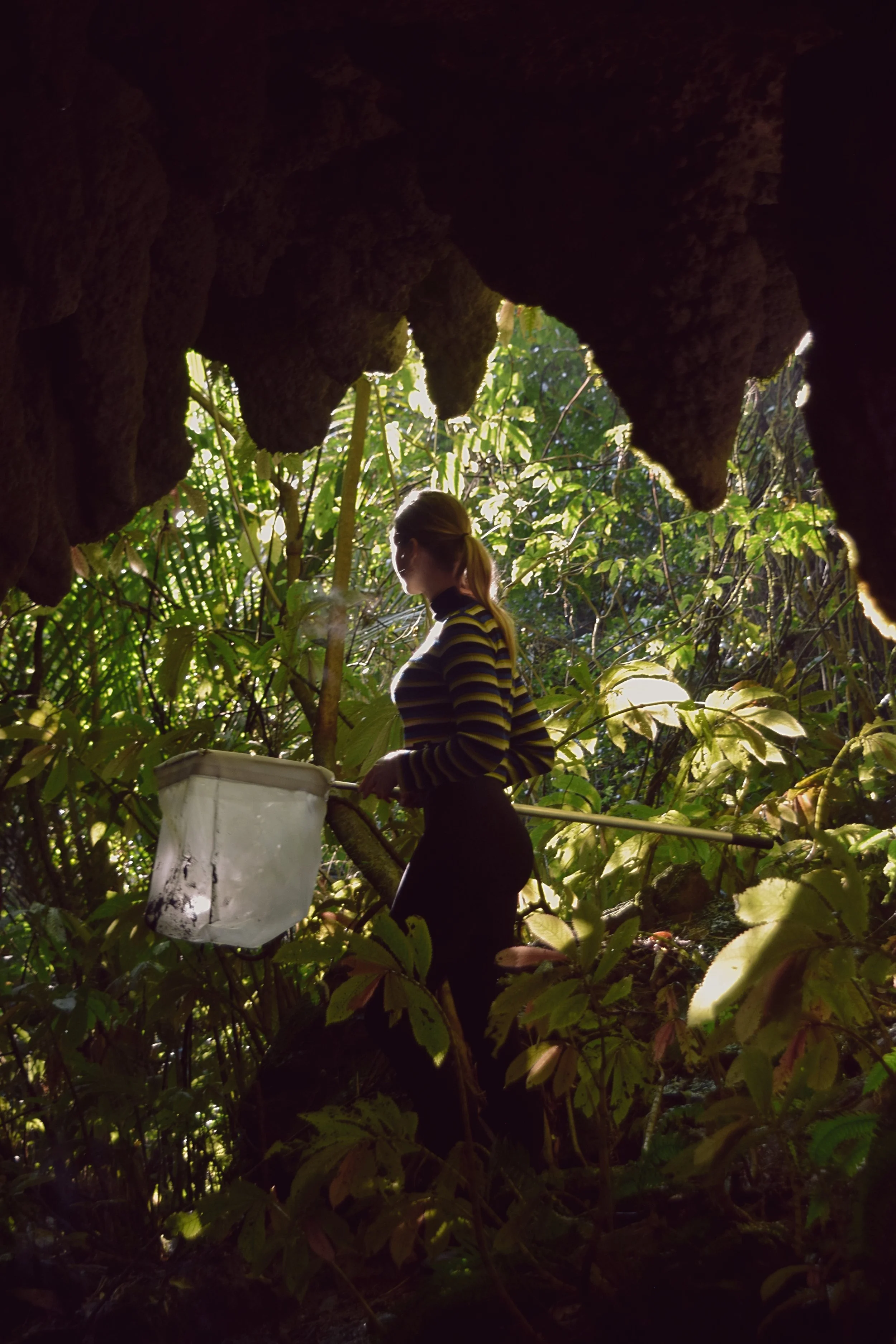
Our team collects your freshwater macroinvertebrate samples for you, following NEMS 2022 protocols. This service makes the process simple and ensures your samples are collected consistently and correctly. Sampling is only available when paired with laboratory analysis - we do not provide standalone fieldwork.

Field Sampling
-
A field visit by a two-person team, using NEMS-compliant kick nets and methods.
Coordinates and site metadata recorded (time, location, weather, vegetation cover, stream type, etc.).
Correctly preserved samples in ethanol, securely jarred and labelled.
Laboratory analysis of your choice (Coded Abundance, 200+ Fixed Count, or Full Count with Subsampling Option).
A laboratory-verified results package appropriate to the analysis you selected (see specific protocol for details).
Optional add-on: a Macroinvertebrate Photo Summary (2–3 photos per taxon; you may request all identified taxa or a subset).
Option to have your preserved vials returned.
-
Yes. When you use Aqualore Labs for both field sampling and laboratory analysis, you receive a discount on the laboratory analysis fees.
-
Yes. You can select this option on the submission form or by contacting us before processing begins. We’ll provide 2–3 high-quality photos per taxon at an additional cost.
-
Select Priority Service on your submission form. For an additional fee per sample, priority analyses are processed approximately 70% faster than standard turnaround, ensuring prompt results when deadlines are tight. This applies to laboratory services (analysis) only.
-
Only if you request the return of physical samples, such as vials containing invertebrate specimens.
Otherwise, we deliver your results electronically (e.g., taxa lists, MCI, QMCI, ASPM scores, and metadata) with no additional shipping costs.
-
You are responsible for ensuring safe and legal access to sampling sites, including obtaining landowner permission if needed.
If a site is unsafe (e.g., due to high water flows or unstable terrain) or inaccessible, Aqualore Labs may reschedule sampling or suggest an alternative site in consultation with you.
-
If your sample contains fewer than two taxa, our Low Taxa Fee Reduction ensures fair pricing, so you only pay for the data provided without incurring costs for limited results. This fee reduction pertains to laboratory analysis fees only, and does not affect sampling fees.
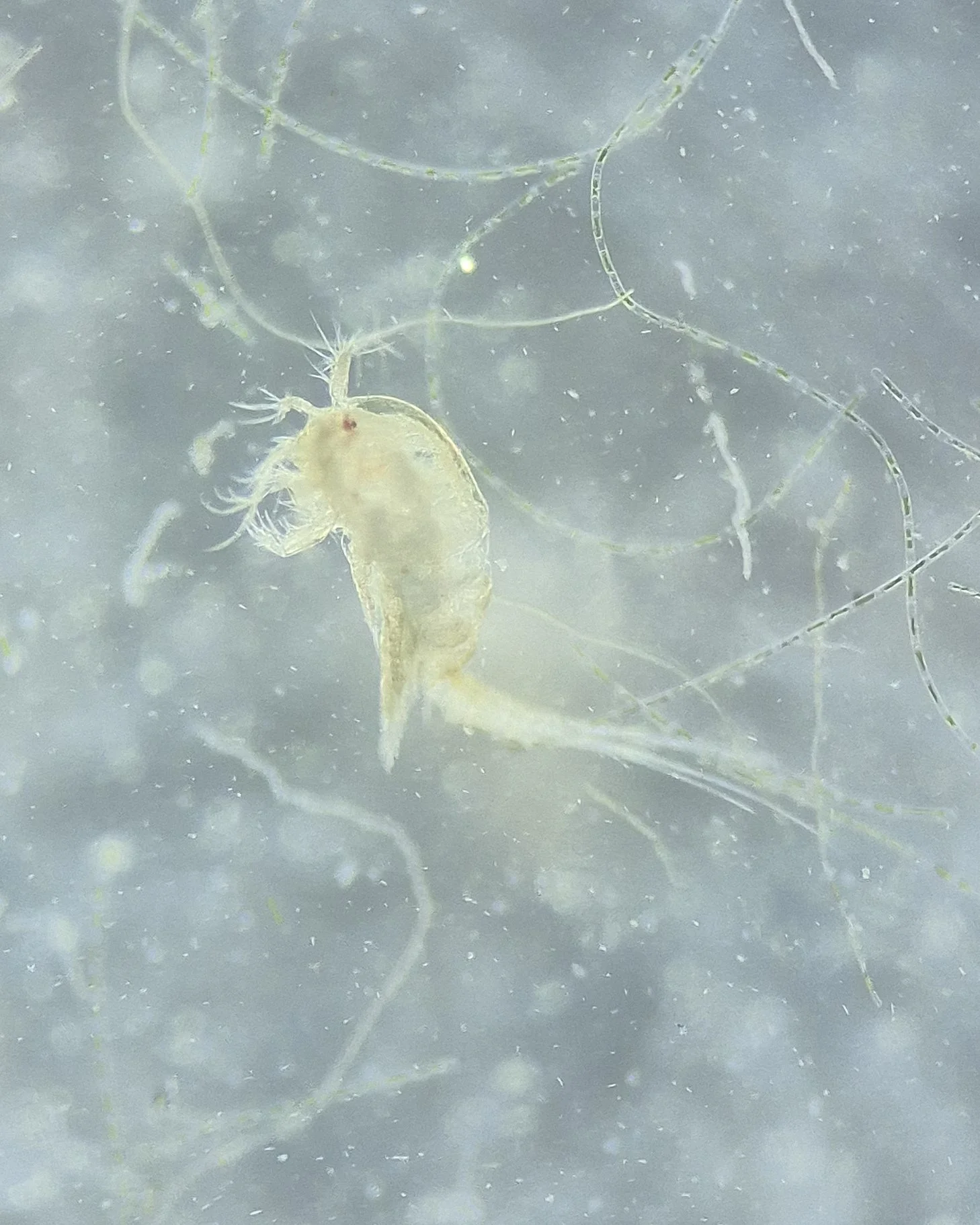
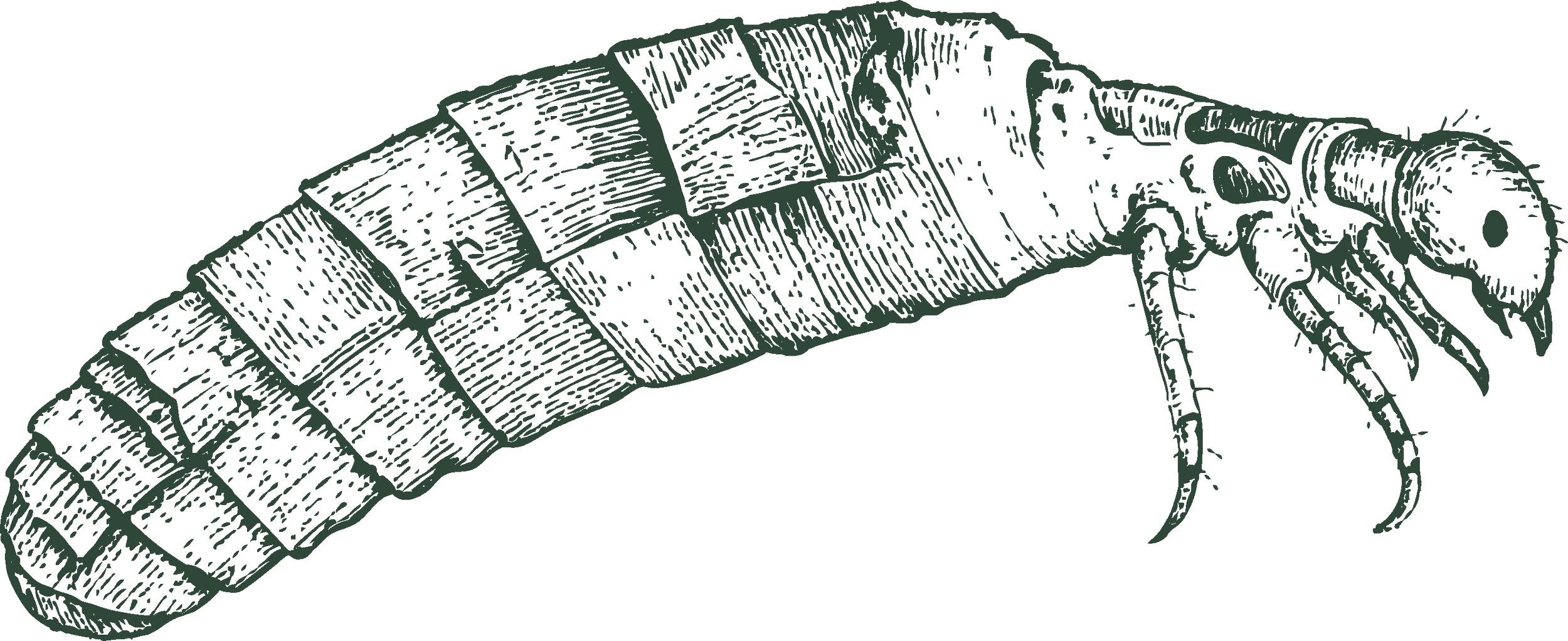


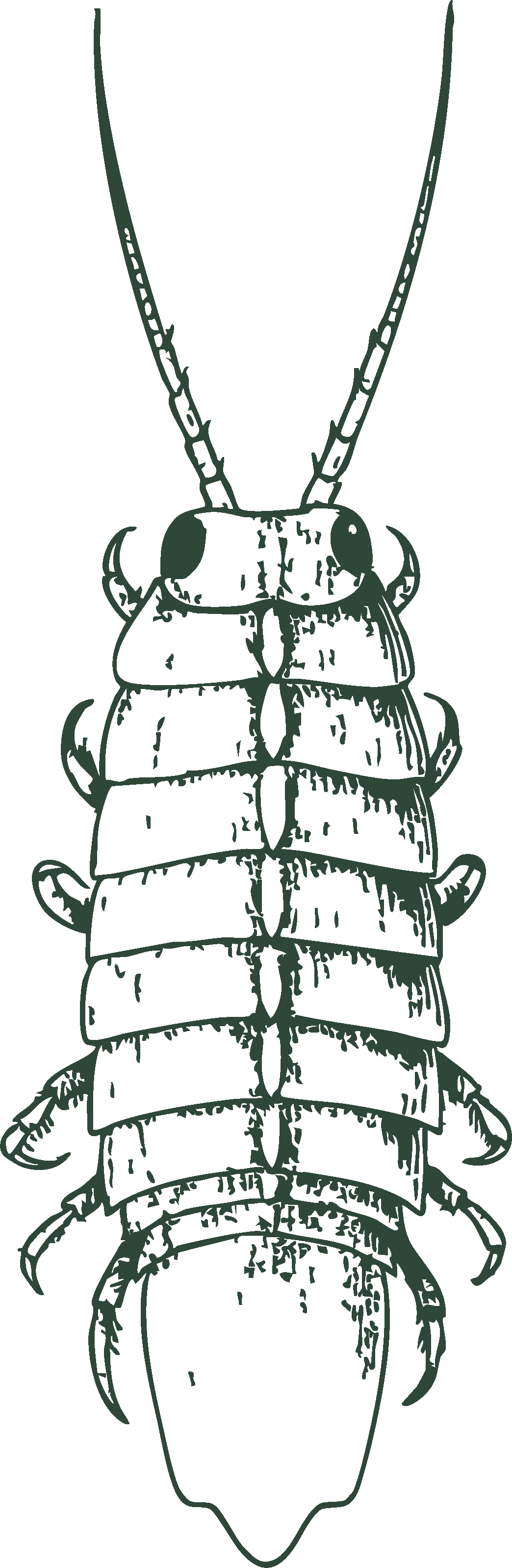
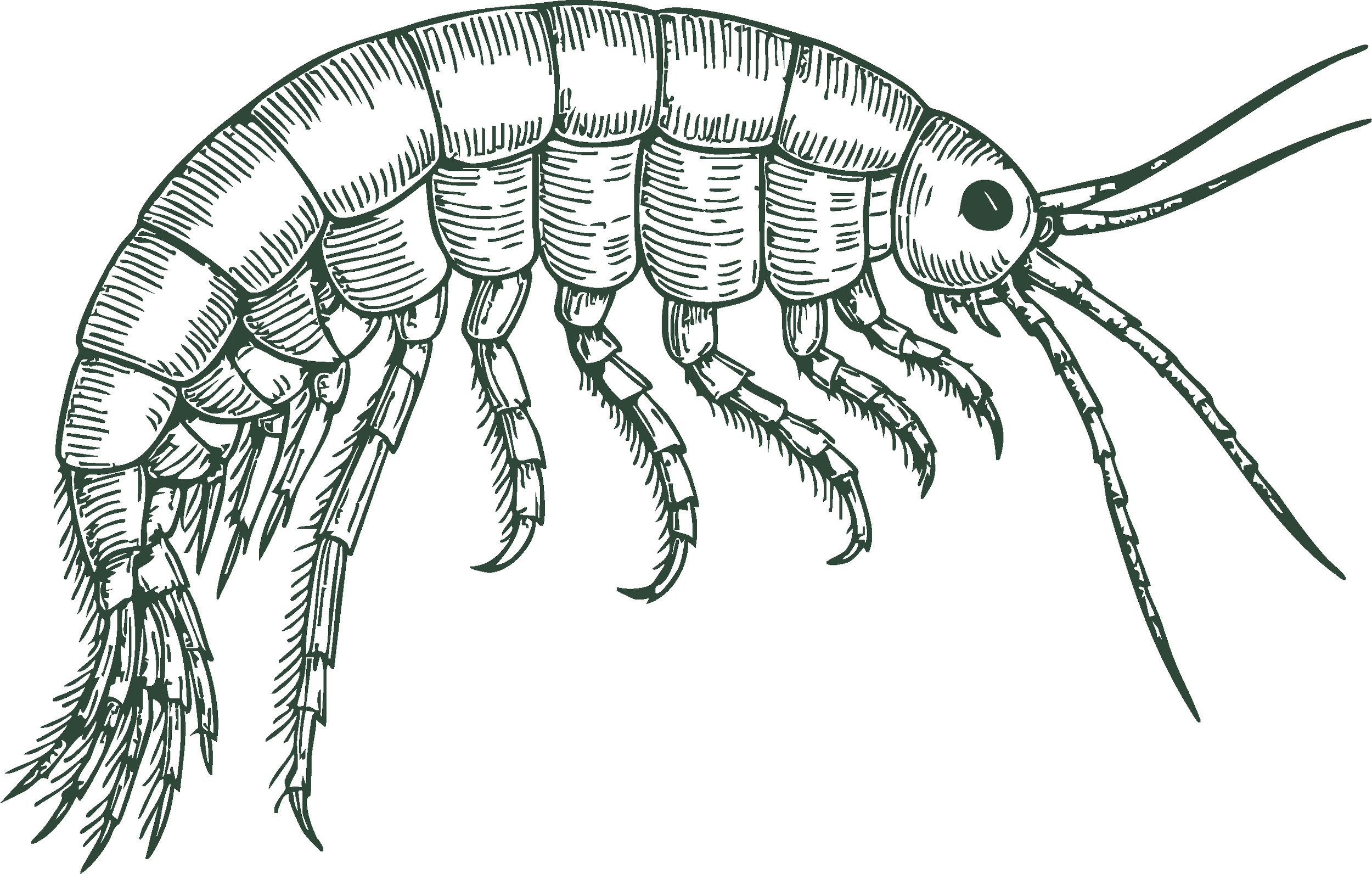
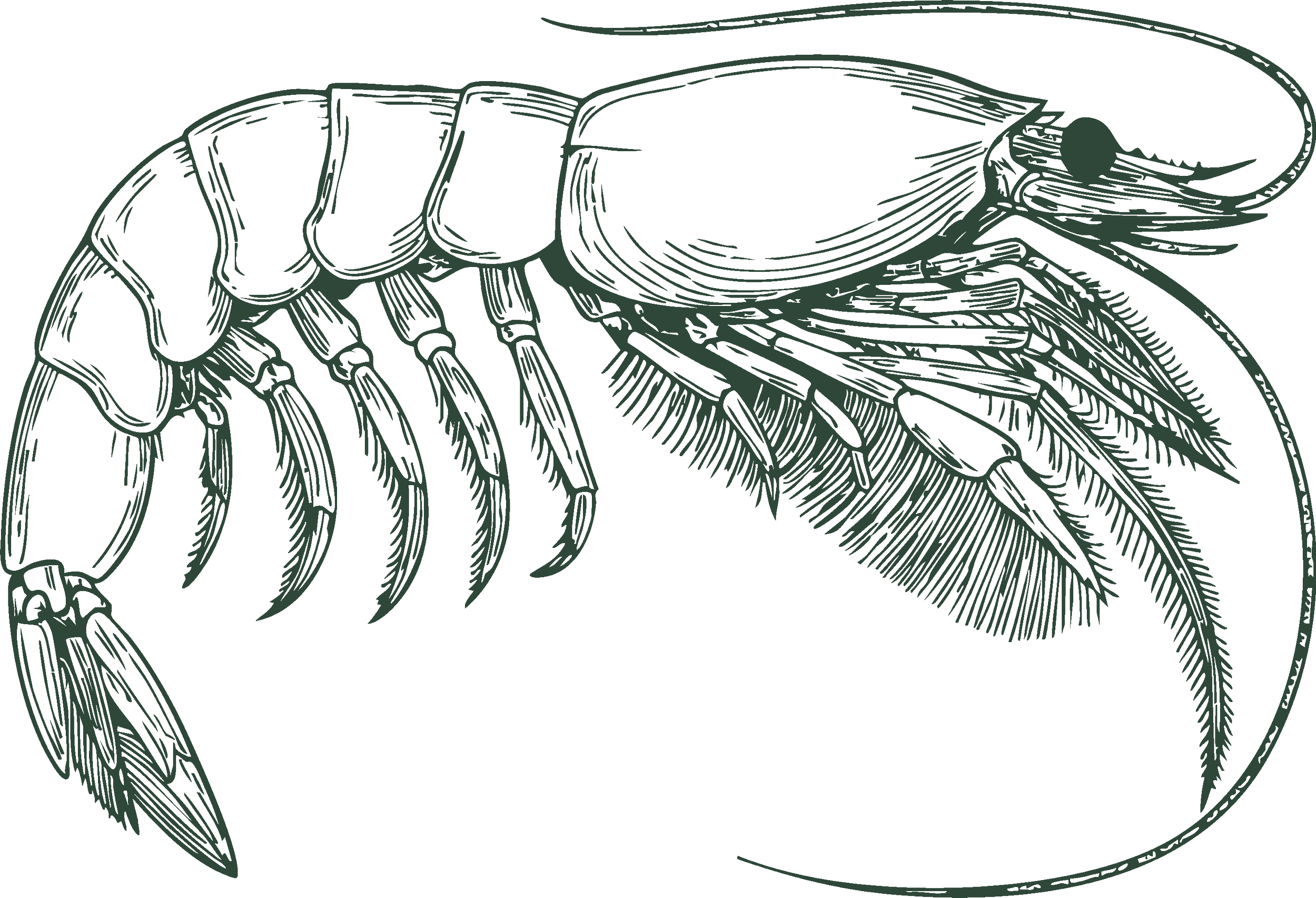
Macroinvertebrate Photo Summary (Add-On)

Add high-quality images of the freshwater macroinvertebrates from your sample, perfect for reports, education, or sharing the hidden life of your stream.
-
You’ll receive 2–3 photos per taxon, usually including one full-view image and one close-up highlighting key features.
-
Yes, the photos are yours to use in research reports, social media, presentations, or classroom resources to visually showcase your sample results. Per our terms and conditions, please attribute them to Aqualore Labs by including a simple credit, such as “Photo: Aqualore Labs” in public uses.
-
They’re particularly useful for education, community engagement, reporting, and science communication, helping to bring your data to life with visual evidence.
-
Yes. You can specify on the submission form whether you want photos for specific taxa, a set number of taxa (non-specific), or all taxa found in your sample.
We’ll do our best to capture them if they’re present in your sample, though we can’t guarantee every request.
-
If no taxa are present that match your request (for specific taxa), no photos will be provided, and you won’t be charged for the photo service.
-
Yes. You can choose to add photos for just one taxon, for several, or for every taxon identified - it’s completely up to you. You will only be charged for those that you receive.
-
The quality of photos depends on the condition of the sample received. If specimens are damaged or fragmented, we’ll still do our best to capture clear images, but we can’t guarantee every bug will look pristine.
-
Simply tick Macroinvertebrate Photo Summary on your submission form and let us know if you’d like photos for all taxa, or just your preferred list.

Sample Containers & Preservatives (Add-On)
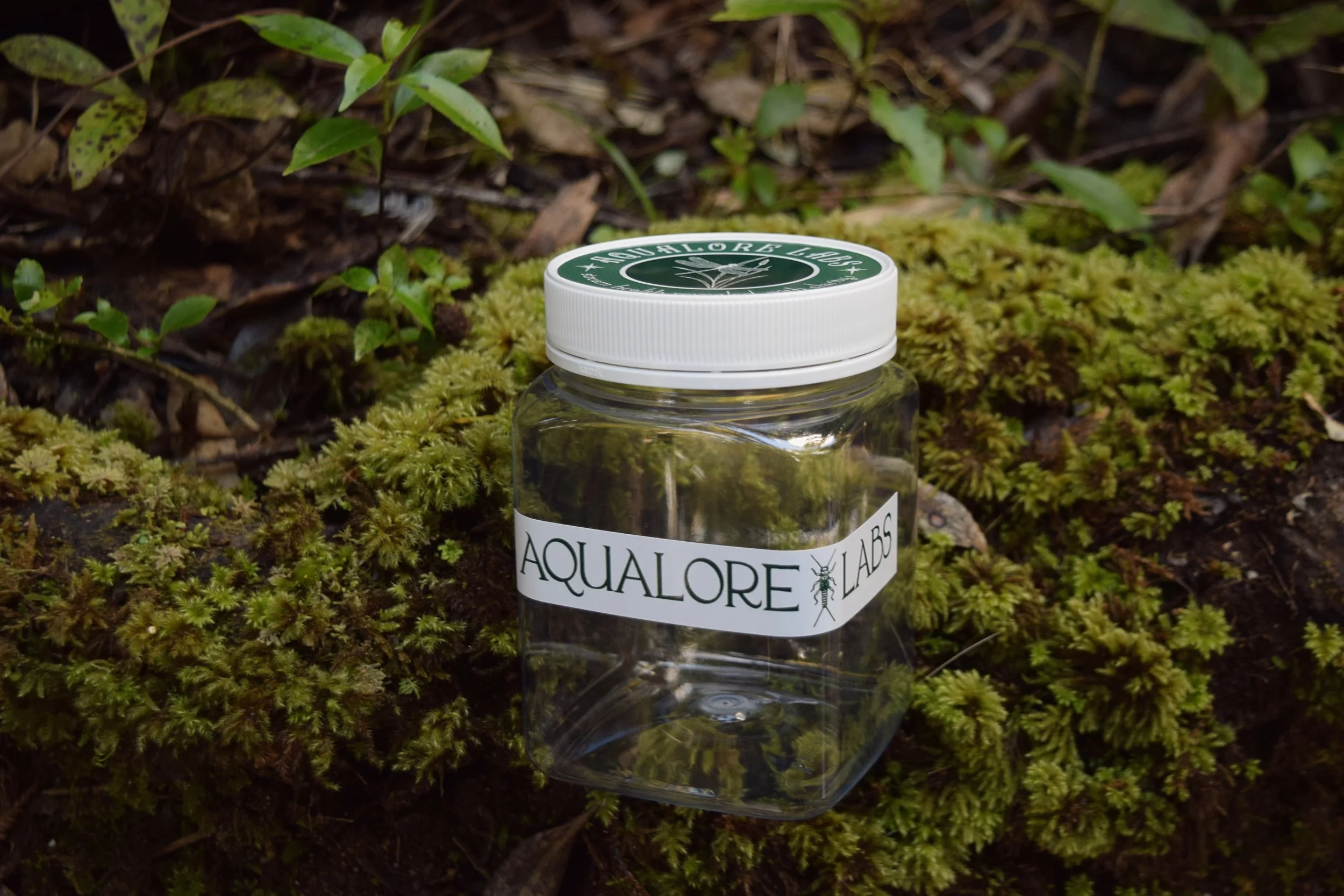
Need jars or ethanol? We can provide these on request. This option is ideal if you’re short on containers, new to sampling, or simply need extra supplies. We’ll make sure you have what you need for safe collection and preservation. Please note that we may not be able to process your request depending on order size or other factors.

-
Each jar is 750 mL with an 83 mm tamper-evident, twin-start thread lid.
-
The leak-resistant lid and wide 83 mm opening make them easy to fill, label, clean, and reuse. As a bonus, they’re supplied locally in New Zealand and made from recycled PET, so you’re also supporting local and sustainable practices.
-
Yes. By choosing these jars, you’re using containers made from recycled plastic and supporting a local NZ supplier.
-
Yes - we recommend it. Reusing jars is what we do in the lab ourselves, and it’s one of the simplest ways to help reduce plastic use.
-
Yes. We can supply jars pre-filled with the correct preservation volume for macroinvertebrate sampling.
-
We use Ethanol 99% SDA 3A (Specially Denatured Alcohol), a laboratory-grade preservative suitable for freshwater macroinvertebrate sampling.
-
Yes, empty jars are available if you prefer to fill them yourself. We can combine jars and ethanol with your sample return to save on shipping. Just send us an email or note it on your submission form.




For times when deadlines are close or reports are due, our Priority Service offers faster processing than the standard queue. It’s a simple way to keep your projects moving on schedule.
Priority Service (Add-On)
-
An optional add-on that allows your sample to be processed faster than the standard service, for faster turnaround and results.
-
On average, results are delivered about 70% faster than standard processing.
-
Priority Service is useful if you’re working to a deadline, preparing a report, or submitting samples during the busy season when volumes are higher.
-
Select Priority Service on your submission form. The additional fee will be included in your quote and invoice. You can note whether you want Priority for all samples, or just for a specific subset.

Contact us
Interested in working together? Fill out some info and we will be in touch shortly. We can’t wait to hear from you!